A leaning tree might appear harmless at first glance, but it can pose significant risks to property, safety, and even the health of surrounding vegetation. Ignoring a leaning tree can lead to costly damage and potential hazards. Acting quickly is the best way to mitigate these issues before they escalate.
Potential Risks of an Unattended Leaning Tree
- A leaning tree, especially during high winds or storms, can fall onto nearby structures such as homes, garages, fences, or utility lines.
- Falling limbs or the entire tree could cause thousands of dollars in damage if left unaddressed.
- A collapsing tree poses significant danger to people walking beneath it or spending time nearby.
- Children and pets playing in the yard may be unknowingly at risk from sudden branch falls.
- The angle and position of a leaning tree may overshadow neighboring plants and prevent them from receiving sufficient sunlight.
- Roots of an unstable tree can compete with other trees for nutrients, further compromising the health of your landscape.
- Trees leaning toward power lines present a fire hazard or could disrupt electrical services during storms.
- In areas with underground utilities, shifting root systems could damage water pipes or sewer lines.
Why Quick Action is Essential
- Progressive Weakening: Over time, the lean often worsens due to gravity and root instability, making removal more challenging and dangerous.
- Increased Costs: Addressing a neglected issue later may require more extensive work by arborists compared to timely intervention.
- Insurance Complications: Some policies might not cover damages caused by an unattended hazard that property owners failed to address in time.
Signs That Immediate Attention is Necessary
- Visible cracks in the soil around the base indicate root instability.
- Splits or fractures along the trunk signal structural weakness.
- Dead branches hanging precariously from the canopy create fall hazards.
- Sudden changes in the angle or lean suggest rapid deterioration.
| Indicator | What It Means | Recommended Action |
| Cracked Soil | Root system is failing | Consult an arborist |
| Dead/Dying Branches | Health deterioration | Pruning/removal as needed |
| Close Proximity to Home | Risk to structures | Immediate professional help |
Steps for Addressing a Leaning Tree
- Contact a certified arborist for an assessment of the tree’s health and stability.
- Determine whether corrective measures like cabling/bracing are feasible or if removal is necessary.
- Always hire licensed professionals who follow safety standards when performing maintenance or removals.
Prompt attention ensures safety for both your property and loved ones while preserving your overall landscape aesthetics where possible.
Understanding the Risks of a Leaning Tree and How a Tree Removal Company Akron OH Can Help
A leaning tree can be an alarming sight for property owners. While some trees naturally grow at an angle, others may lean due to structural damage, environmental factors, or poor root systems. Ignoring a leaning tree can lead to several risks that endanger the safety of your home, family, and surrounding landscape. Acting quickly to address the issue is vital.
Common Hazards Associated with a Leaning Tree
- A leaning tree experiences uneven stress on its trunk and roots, increasing its likelihood of falling unexpectedly.
- Storms, high winds, or heavy snow can exacerbate the situation, causing the tree to topple onto nearby structures or people.
- If located near homes, fences, vehicles, or utility lines, a falling leaning tree can cause extensive damage.
- Repairing structural damage caused by fallen trees can be costly and time-consuming.
- A sudden collapse may harm individuals nearby.
- Children playing in yards or pedestrians walking near leaning trees face significant safety threats.
- A falling tree doesn’t only affect itself; it can knock over neighboring trees or damage their branches and root systems.
- This domino effect could result in long-term harm to your landscape.
Signs That a Leaning Tree Could Be Dangerous
- Check for exposed roots: Uprooted soil on one side indicates instability in the root structure.
- Look for cracks in the trunk or bark: These might signal internal damage compromising the tree’s health and strength.
- Examine for signs of decay: Fungal growth at the base of the trunk often points to rot within the tree’s core.
- Observe changes after storms: Increased leaning after severe weather suggests worsening instability.
| Sign | What It Indicates |
| Exposed roots | Weak foundation |
| Cracks in trunk/bark | Structural weakness |
| Decay/fungus growth | Internal rot |
| Increased lean | Deteriorating stability |
Reasons Why Prompt Action Is Essential
- Prevent Escalating Risks Addressing minor issues now avoids greater hazards later as conditions worsen over time.
- Minimize Financial Costs Proactive care saves you from higher expenses associated with emergency removal services or property repairs post-collapse.
- Protect Your Landscape’s Health Removing unstable trees prevents potential harm to nearby plants and promotes healthier surroundings overall.
By promptly identifying hazards posed by a leaning tree and taking appropriate action—whether it’s bracing the tree for support or scheduling professional removal—you ensure safety while maintaining your property’s aesthetic appeal.
Understanding the Risks of a Leaning Tree and How a Tree Cutting Service Akron OH Can Help
Leaning trees, while sometimes appearing harmless or even picturesque, can pose significant risks to property, personal safety, and the surrounding environment. Addressing the issue of a leaning tree promptly is crucial to avoid preventable disasters. Below, we break down the potential dangers associated with leaning trees and why immediate action should always be prioritized.
Structural Weakness
A leaning tree often signals an underlying structural instability. This can be caused by:
– Compromised root systems: Roots may become damaged due to soil erosion, pests, or fungal infections.
– Poor anchorage: If the soil beneath the tree is loose or waterlogged, it may struggle to support the weight of the tree.
– Storm damage: Heavy winds or storms can tilt a previously stable tree.
Ignoring these warning signs increases the likelihood of collapse.
Property Damage Risks
Leaning trees pose significant threats to nearby structures such as homes, fences, garages, and vehicles. Depending on their size and angle of lean, falling limbs or an entire tree trunk could cause:
– Cracked walls or foundations
– Roof punctures or collapses
– Broken windows
Additionally, if branches extend over power lines, they could result in electrical outages or fire hazards.
| Type of Damage | Cost Range (Estimated) | Example Scenarios |
| Property Damage | $500 – $10,000+ | Roof repair due to falling branches |
| Utility Repair | $1,000 – $5,000+ | Damage caused by interference with power lines |
| Landscaping | $200 – $3,000+ | Replacing damaged gardens or plants |
Safety Concerns for People and Pets
A leaning tree can jeopardize personal safety:
– Falling branches may harm individuals walking underneath.
– Entire trees toppling unexpectedly can result in severe injuries.
Children playing near unstable trees are especially vulnerable.
Environmental Impact
When a leaning tree falls in an uncontrolled manner:
– It can disrupt surrounding vegetation by uprooting nearby plants or crushing smaller flora.
– Soil erosion may worsen as roots are pulled from the ground during a fall event.
Why Prompt Action Matters
Addressing a leaning tree quickly provides several benefits: 1. Reduces risks to life and property. 2. Minimizes long-term repair costs. 3. Prevents further environmental degradation from an uncontrolled fall.
By acting early—whether through professional assessment by an arborist or taking steps for removal when necessary—you ensure your landscape remains safe and secure for years to come.
Expert Tips on Tree Removal Akron OH: Can a Leaning Tree Be Saved?
Leaning trees are a common issue for property owners, and determining whether to save or remove the tree requires careful evaluation. A leaning tree can pose serious risks to nearby structures, vehicles, power lines, and people. However, not all leaning trees need immediate removal. The decision depends on factors such as the condition of the tree, the severity of the lean, and its root stability.
Assessing the Severity of the Lean
- Slight Lean: If the lean appears minimal and natural (often caused by growth toward sunlight), it may not require removal but could benefit from support measures.
- Moderate Lean: For moderate leans caused by wind or soil erosion, professional assessment is recommended to determine root stability.
- Severe Lean: A tree with a dramatic tilt—especially one recently uprooted after storms—may be unstable and prone to falling.
Signs That a Tree Cannot Be Saved
- Damaged Roots: If more than 50% of the tree’s roots are exposed or damaged, it may no longer have adequate stability.
- Cracked Trunk or Branches: Visible cracks or splits in the trunk often signal structural issues beyond repair.
- Soil Shifting Near Base: Raised soil on one side of the trunk indicates recent movement in response to instability.
- Decay or Disease: Decayed wood at the base or fungal growth can weaken structural integrity.
When a Leaning Tree Can Be Saved
- Arborists use cables and braces to provide additional support for structurally weak trees.
- These interventions help redistribute weight and prevent further tilting.
- Aerating compacted soil around roots can encourage stronger growth over time.
- Adding mulch around the base retains moisture while protecting roots from surface damage.
- Removing excess branches reduces wind resistance and rebalances weight distribution.
- Stabilizing loose ground with fill material helps secure shallow-rooted species more effectively.
Professional Evaluation Is Crucial
No matter how minor a lean may appear, consulting expert arborists ensures an accurate assessment of your tree’s health. Professionals analyze multiple factors such as species type, environmental conditions, age, health status, proximity risks (e.g., nearby buildings), and potential for recovery before recommending preservation methods versus removal strategies. www.treeserviceakronohpros.net
| Factor | Impact on Decision |
| Severity of Lean | Moderate/severe leans often indicate risk |
| Condition of Roots | Damaged/exposed roots suggest instability |
| Proximity Risks | Trees near structures/roads increase hazards |
| Species Type | Some species are naturally more resilient |
Prompt action based on expert guidance prevents unnecessary risks while preserving valuable greenery where possible. Balancing safety priorities with environmental considerations ensures optimal outcomes for both property owners and surrounding landscapes.
Why Safety Should Be the Top Priority When Removing Trees from Your Property
Tree removal is a task that may seem straightforward, but it is, in fact, one of the most hazardous activities when it comes to property maintenance. Prioritizing safety during tree removal not only protects you and those involved but also ensures that the job is completed efficiently without damage to surrounding areas.
Below, we explore why safety must remain a top priority during the tree removal process.
The Dangers of Unsafe Tree Removal Practices
- Injury to Individuals: Falling branches, tools mishandling, or even the collapse of an unstable tree can result in serious injuries.
- Damage to Property: Without precise planning, nearby structures like homes, fences, or power lines could sustain significant damage.
- Legal Liabilities: If your tree removal efforts cause injury or damage to someone else’s property, you may be held legally accountable.
- Environmental Impact: Improper handling can harm other plants and trees in your yard by disturbing their root systems or surrounding soil.
Key Safety Measures for Tree Removal
- Evaluate the size and health of the tree.
- Identify potential hazards such as dead branches or proximity to power lines.
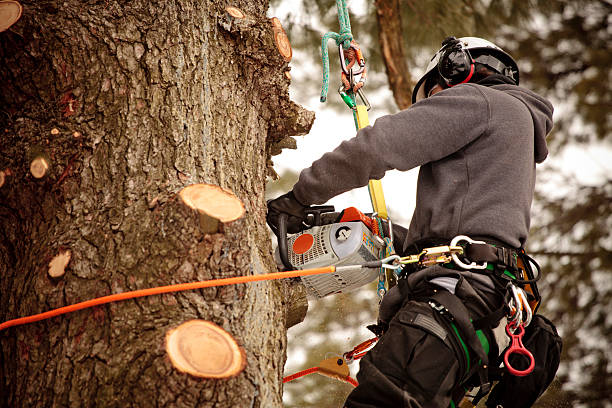
- Ropes and harnesses for climbing trees securely.
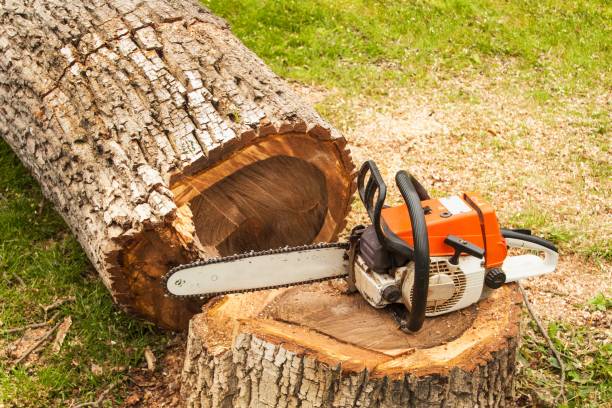
- Chainsaws with appropriate safety features.
- Helmets, gloves, eye protection, and steel-toed boots.
- Understand Tree Physics
Trees may not always fall where expected due to internal decay or structural imbalances. Professional arborists use techniques like directional felling cuts and ropes for controlled falls. - Work as a Team
Never attempt large-scale tree removal alone; having additional hands ensures better control over falling limbs and additional assistance in case of emergencies. - Plan for Emergency Scenarios
Prepare for accidents by having first-aid kits readily available on-site and ensuring quick access to emergency services if needed.
Why Hiring Professionals is Safer
| Factor | DIY Approach | Professional Service |
| Tools & Equipment | Limited | Access to industry-grade equipment |
| Expertise | Basic understanding | Certified training in arboriculture |
| Risk Management | High risk | Reduced risk through experience |
| Liability | Falls on property owner | Covered under professional insurance |
By hiring certified arborists who follow industry standards (such as those set by ISA), you protect both your property investment and your personal safety.
The Role of Safety in Protecting Surrounding Areas
- Root systems intertwined with other plants could be disrupted if extraction isn’t done carefully.
- Heavy machinery required for removing large trees might compact soil if operated improperly.
- Falling debris can harm landscaping features like garden beds or walkways without adequate preparation around work zones.
Taking precautions—such as setting up barriers around impact zones—can mitigate these risks effectively.
Final Thoughts
When it comes to removing trees from your property, prioritizing safety isn’t optional—it’s imperative. From limiting personal injury risks to avoiding expensive property repairs down the line, safe practices ensure minimal disruption while achieving desired results efficiently. Whenever possible, entrusting this task to professionals guarantees both peace of mind and optimal outcomes while preserving the integrity of your landscape environment.
Comprehensive Guide to Tree Pruning Akron OH and Professional Tree Care Costs
When it comes to tree removal, understanding the associated costs is crucial for property owners. The pricing for professional tree removal services can vary widely based on several factors. By breaking down these components, homeowners can better prepare their budget and make informed decisions.
Factors That Influence Tree Removal Costs
- Tree Size:
Larger trees require more labor, equipment, and time to remove safely. Small trees (under 25 feet) are generally less expensive to remove compared to medium (25–50 feet) or large trees (over 50 feet). - Tree Location:
Trees located near structures, power lines, or other obstacles demand extra caution and precision work, often increasing costs. - Tree Condition:
Dead or decaying trees may be more hazardous during removal due to potential instability. This additional risk can lead to higher fees. - Accessibility:
Trees in hard-to-reach areas (e.g., steep slopes or fenced yards) may require special equipment like cranes, which raises the price. - Debris Removal:
Some companies include debris cleanup in their price quote, while others charge extra for hauling away branches and wood.
Average Costs Based on Tree Size
| Tree Size | Estimated Cost Range | Description |
| Small (up to 25 ft) | $150 – $500 | Often quick removals; minimal equipment needed |
| Medium (25–50 ft) | $500 – $1,000 | Requires more labor and safety precautions |
| Large (over 50 ft) | $1,000 – $3,000 or more | Complex operations involving specialized tools |
Keep in mind that these prices may not include extras such as stump grinding or limb disposal.
Additional Services That May Affect Pricing
- Stump Grinding/Removal: This service typically costs an additional $200–$500 depending on stump size.
- Emergency Tree Removal: Urgent removals due to storm damage or safety concerns may involve premium charges.
- Permit Fees: In some municipalities, permits are required before removing large or protected trees.
- Travel Expenses: If your property is in a remote area, travel fees might apply.
Benefits of Hiring Professionals Despite Costs
- Reduces risk of injury from DIY attempts.
- Prevents potential property damage.
- Ensures compliance with local regulations regarding tree removals.
By investing in professional services, you protect both your property value and personal safety while ensuring proper care for your outdoor space.
Tree Trimming and Pruning: Enhancing the Health and Beauty of Your Landscape
Tree trimming and pruning are essential practices for maintaining the health, safety, and aesthetics of your property. These maintenance tasks not only promote the longevity of trees but also contribute to the overall beauty of your landscape. Whether you are a homeowner or a property manager, understanding the significance of regular tree care can make a noticeable difference in your outdoor space.
Benefits of Tree Trimming and Pruning
- Removes dead, dying, or diseased branches that could spread infections.
- Enhances air circulation within the canopy, reducing risks of fungal growth.
- Encourages new growth by redistributing nutrients effectively.
- Shapes trees for a polished and well-maintained look.
- Improves symmetry to complement your landscaping design.
- Promotes flowering or fruiting in certain tree species through proper pruning techniques.
- Eliminates weak or overhanging branches that could pose hazards during storms or high winds.
- Prevents potential damage to structures like roofs, fences, or power lines.
- Reduces risks associated with falling debris in high-traffic areas.
- Guides trees into strong structural forms early in their lifespan.
- Removes competing branches to prevent overcrowding within the canopy.
- Balances weight distribution across limbs to prevent leaning or splitting.
Best Practices for Tree Trimming and Pruning
- Timing Matters: Carry out pruning during dormant seasons (typically late fall or winter) when growth slows down to reduce stress on trees.
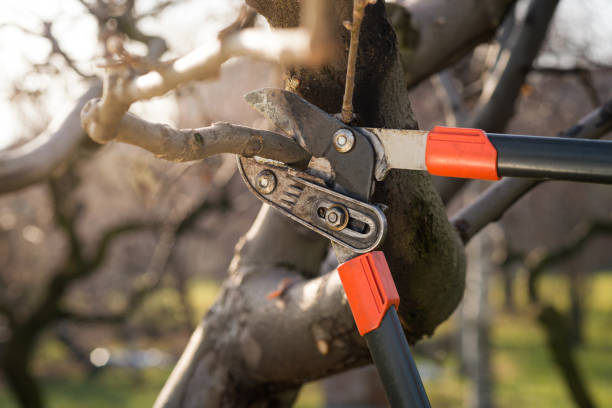
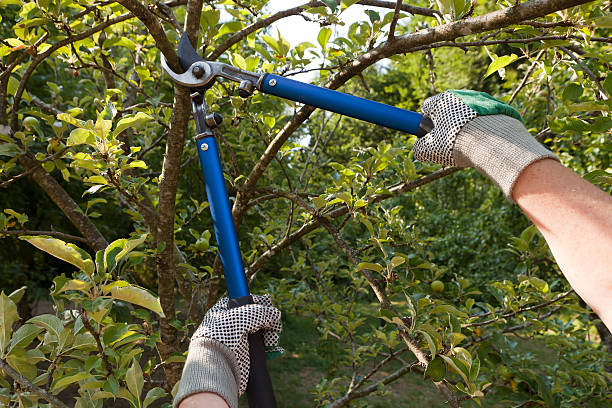
- Use Proper Tools: Invest in high-quality pruning shears, saws, and loppers suited for different branch sizes to make clean cuts without injuring bark tissue.
- Follow the 1/3 Rule: Never remove more than one-third of a tree’s total foliage at a time to avoid over-pruning.
- Identify Structural Defects Early: Target crossing branches, co-dominant stems, and weak branch unions for removal before they become problematic.
Professional vs DIY Tree Care
While minor trimming tasks can sometimes be handled by property owners with basic tools, more complex pruning should be entrusted to certified arborists due to safety concerns and specialized knowledge requirements. Professionals have expertise in selecting appropriate techniques based on tree species, age, condition, and location while adhering to local regulations concerning protected vegetation.
| Aspect | DIY Care | Professional Services |
| Tools Required | Basic handheld shears/saws | Advanced equipment |
| Expertise Level | Limited | Extensive arboricultural knowledge |
| Safety Risks | Higher (e.g., falls/ladders) | Mitigated by trained teams |
| Cost | Lower upfront costs | Investment with long-term benefits |
Long-Term Value of Maintenance
Ultimately, consistent tree trimming and pruning foster healthier ecosystems within your yard while enhancing curb appeal—a critical factor if you’re planning to sell your property in future years. By partnering with expert arborists who prioritize sustainable practices tailored specifically for each tree species’ needs, you’ll enjoy thriving greenery season after season without compromising safety standards or aesthetic goals.
Tree Trimming and Pruning: Enhancing the Health and Beauty of Your Landscape
Tree trimming and pruning are fundamental aspects of maintaining a healthy, safe, and visually appealing landscape. Regular care for your trees not only boosts their longevity but also ensures they remain an asset to your property. Below, we’ll explore how trimming and pruning benefit your trees and outline best practices for effective maintenance.
Key Benefits of Tree Trimming and Pruning
- Removing dead or diseased branches prevents the spread of decay or infection.
- Proper pruning enhances airflow between branches, reducing the risk of fungal diseases.
- Encourages new growth by redirecting energy to healthier parts of the tree.
- Weak or overhanging limbs can pose a danger to people, vehicles, and nearby structures.
- Regular trimming helps prevent damage during high winds or storms by reducing excess weight on branches.
- Carefully pruned trees maintain balanced shapes that add to your landscape’s overall beauty.
- Removing uneven or overcrowded growth ensures a cleaner look.
- Thinning out dense foliage allows sunlight to reach other plants below, promoting a healthier ecosystem in your yard.
Types of Pruning Techniques
| Technique | Purpose | Example Applications |
| Crown Thinning | Increases airflow and sunlight penetration by removing select branches from the crown | Used for large shade trees |
| Deadwooding | Removes dead or decaying branches to prevent safety hazards | Essential after storm damage |
| Crown Raising | Removes lower limbs to create more clearance under the tree | Useful near walkways or driveways |
| Crown Reduction | Reduces the overall size of the canopy while maintaining its shape | Ideal for trees growing too close to roofs |
Best Practices for Effective Tree Care
- Timing Matters: Prune most trees during late winter when they are dormant, as this minimizes stress on growth cycles.
- Use Proper Tools: Ensure saws, shears, and loppers are sharp and sanitized to make clean cuts that heal quickly.
- Inspect First: Assess each tree’s condition before starting work—look for signs of disease or structural weakness.
- Call an Expert When Needed: For large trees or high-risk situations (e.g., branches near power lines), hire professional arborists equipped with specialized tools.
Why Hire Professional Arborists?
- Diagnosing health issues like fungal infections or pest infestations.
- Safely removing heavy limbs without damaging surrounding property.
- Shaping ornamental trees that demand precision cuts to enhance their appearance.
Hiring experts ensures proper care while reducing risks associated with improper techniques.
Investing time in regular trimming and pruning translates into healthier trees, safer surroundings, and a more vibrant landscape overall. This essential maintenance step is not just about aesthetics—it’s about preserving the immense value that well-cared-for greenery adds to your home environment.
- Why Stump Removal Akron OH Is Essential After Dealing with a Leaning Tree
- Comprehensive Guide to Tree Pruning Akron OH: Safe and Effective Tips
- Choosing the Right Tree Pruning Akron OH Service: Understanding the Difference Between Tree Cutting and Removal
- Factors That Influence the Cost of Tree Removal Akron OH Services
- Effective Tree Pruning Akron OH Services for Healthy Growth
- How to Make the Right Choice for Stump Removal Akron OH: Tips for Leaning Trees
- Expert Tips for Tree Removal Akron OH: Your Essential Guide
- The Ultimate Guide to Expert Stump Removal Akron OH and Why Hiring Professionals is Essential
- Top Reasons to Choose Professional Tree Removal Akron OH Services